Minbos Resources (ASX: MNB) DD – Funding Progress, Government Backing and Valuation vs Fertiliser Prices
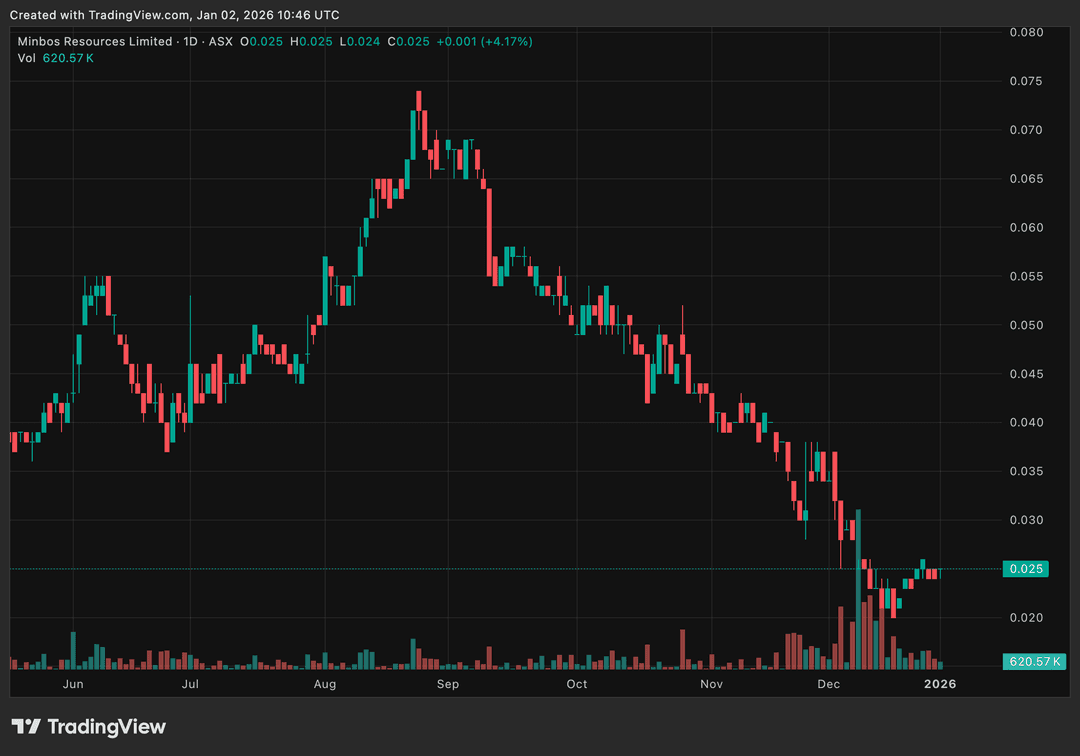
Minbos Resources (ASX: MNB) is developing the Cabinda Phosphate Fertiliser Project in Angola. Below is a summary of its economics, fertiliser market backdrop, government support, and current funding status. Valuation – DFS Economics Definitive Feasibility Study (DFS): Post-tax NPV10 (85% attributable to Minbos): Base case: ~A$315m (IRR 39%) Spot case: ~A$619m (IRR 61%) Shares on issue: ~975m NPV per share (AUD): Base case: ~A$0.32/share Spot case: ~A$0.63/share Fertiliser Price Environment TSP (Triple Superphosphate – Minbos’ product): ~A$1,015/t (US$655/t @ ~1.55 AUD/USD). DAP (Diammonium Phosphate): ~A$1,215/t (US$785/t @ ~1.55 AUD/USD). Both are above long-term averages, with DAP up ~45% YoY. At these levels, the DFS “spot case” valuation (~A$0.63/share) is the more relevant scenario. Funding Progress Angolan Sovereign Wealth Fund (FSDEA): ~A$15.5m received. Banco BAI (Angola): ~A$18.5m term loan, enabled under Angola’s Aviso 10/2024, with a state guarantee via the FGC. Revised term sheet signed, conditions simplified. Industrial Development Corporation (IDC, South Africa): ~A$14m facility advancing through approvals. Cash on hand (30 June 2025): A$8.3m. Together, these sources place Minbos close to being fully funded for construction and commissioning, pending final loan execution and drawdown. Government & Policy Backing Angola’s Aviso 10/2024 allows banks to lend into agriculture and real-economy projects at capped rates (~7.5%). The Credit Guarantee Fund (FGC) provides a state-backed guarantee on loans. Sovereign institutions are directly involved through FSDEA (equity) and IDC (debt). This indicates significant government and development finance support for the project. Key Takeaways DFS economics suggest ~A$0.32–0.63/share valuation depending on fertiliser prices, compared to a much lower current market price. Fertiliser prices remain high, supporting the upper end of valuations. Funding is close to complete, with sovereign wealth and development finance institutions already committed. Remaining risks include timing of loan drawdowns, construction delivery, and fertiliser price volatility.